
Discover What to Expect from Your Hilton Head Boat Tour
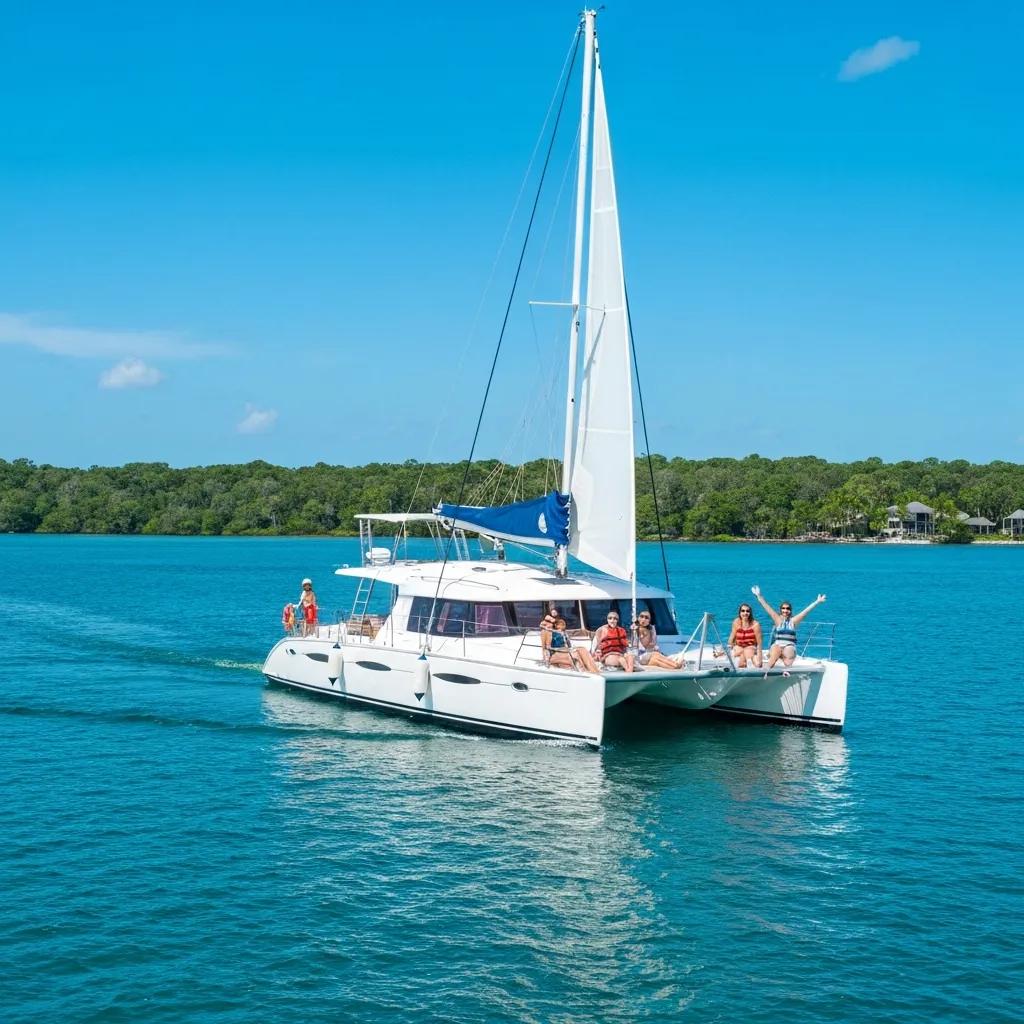
What to Expect on Your Hilton Head Boat Tour — A Practical Guide to Catamarans, Cycleboats, and Wildlife

Boat tours around Hilton Head Island blend hands-on boating, guided wildlife watching, and scenic coastal views — great for families and curious travelers. This guide breaks down each tour type, explains why formats differ (from drive-your-own catamarans to group cycleboats), and highlights the real benefits—higher wildlife sighting rates, kid-friendly options, and more—so you can pick the right outing. You’ll find practical preparation tips, what animals you might see, safety and amenity details, plus clear booking and arrival steps to make your day smooth. By the end, you’ll feel confident choosing a tour, packing correctly, and knowing what to expect once you’re on the water. Keep reading for side-by-side comparisons, packing checklists, seasonal sighting tips, and step-by-step booking guidance for Hilton Head boat tours.
Blue Water Adventure Hilton Head runs local, family-focused options that illustrate the tours described here: two-seat drive-your-own catamarans where guests take the helm with guide support, guided cycleboat party tours for groups, and pontoon or fishing boat rentals as private alternatives. Mentioning this operator gives a concrete example of how each format feels on the water while the rest of the guide offers broader planning and safety advice. Use these samples to picture the experience and compare features when you book.
Which Boat Tours You’ll Find on Hilton Head Island?
Options on Hilton Head range from self-driven two-seat catamarans to group cycleboats and private pontoon or fishing rentals. The key difference is how much control you want and how much guide support you need—catamarans let guests steer with a guide nearby, while cycleboats create a social, pedal-powered experience with crew-led navigation. Knowing these differences helps you match the tour to your comfort level, group size, and wildlife-viewing goals. Below we compare the common tour and rental types so you can quickly decide which fits your party.
When choosing a tour, think about duration, capacity, and whether you want to drive, pedal, or relax. The table below summarizes typical features so you can weigh autonomy, social energy, and available amenities at a glance.
| Tour Type | Attribute (duration, capacity, age suitability, BYOB, guide presence) | Typical Value/Notes |
|---|---|---|
| Two-seat catamaran | Duration: ~60–90 minutes; Capacity: 2 per boat; Age suitability: older children/teens with adult supervision; BYOB: usually allowed on dock pre/post; Guide presence: lead boat with guide | Hands-on driving with guide support and orientation (bluewateradventurehiltonhead.com) |
| Cycleboat | Duration: ~60–75 minutes; Capacity: 8–14; Age suitability: family groups and adults; BYOB: often permitted; Guide presence: onboard crew/guide | Social, pedal-powered party vibe—great for groups (bluewateradventurehiltonhead.com) |
| Pontoon rental | Duration: flexible hourly; Capacity: varies (6–12); Age suitability: all ages; BYOB: typically allowed; Guide presence: optional | Private, relaxed cruising with shaded seating and flexibility (lowcountrywatersports.com) |
| Fishing boat rental | Duration: flexible; Capacity: small groups; Age suitability: teen-adult focus; BYOB: allowed; Guide presence: optional/charter | Focused on angling and access to local fishing spots (lowcountrywatersports.com) |
That side-by-side view makes it easier to weigh the trade-offs between control and guided support—decide if you want the hands-on thrill of a catamaran or the group energy of a cycleboat.
What to Expect on a Hilton Head Catamaran Tour
A two-seat catamaran tour pairs basic guest piloting with a professional guide who runs the route and leads safety orientation. Guides start with a short safety briefing and driving demo before the flotilla departs, then position boats for dolphin viewing and scenic stops while staying close to assist. You get the thrill of steering a small catamaran plus the comfort of trained staff nearby to handle tricky navigation. Expect relaxed pacing, frequent scenic pauses, and a family-friendly approach that works well for first-time boaters and casual adventurers.
How a Hilton Head Cycleboat Tour Works

Cycleboat tours are group-centered, pedal-assisted boats where guests share propulsion or relax as riders while a crew member handles navigation and points out wildlife and landmarks. The format is cooperative—some people pedal, others chat and take photos—while the crew steers and narrates. This creates an upbeat, social outing that’s ideal for celebrations and casual family groups. Typical logistics include a quick boarding orientation, a set loop through sheltered waters, and often BYOB-style refreshments depending on the provider.
Which Wildlife Might You See on Your Hilton Head Boat Tour?

On Hilton Head tours you’ll commonly see Atlantic bottlenose dolphins, plenty of shorebirds, and sometimes manatees in the cooler months. Good sightings come from quiet approaches and keeping respectful distances. Guides use local knowledge of tides and feeding areas combined with slow, careful maneuvering to increase the chances of natural encounters. Guided tours often have better sighting rates because guides know the hotspots and animal behavior. Below is a compact species table with where to look and practical viewing tips so you know what to expect and when.
| Species | Where/When Found | Typical Behavior/Viewing Tips |
|---|---|---|
| Atlantic bottlenose dolphin | Open sounds and channel mouths, most active at dawn and dusk | Watch for bow-riding and surface feeding; guides look for splashes and approach slowly for viewing (hiltonheadisland.org) |
| Manatee | Shallow creeks and warm backwaters during cooler months | Quiet, slow approaches are best; sightings are less common and depend on temperature and tides (hiltonhead.com) |
| Great egret / Heron | Salt marsh edges and creeks throughout the day | Scan marsh edges and perches; early mornings often show active feeding (hiltonhead.com) |
| Osprey | Along larger tidal channels and fish-rich areas | Look for high dives and perches on markers; great for photos when they hunt (hiltonheadislandsc.gov) |
This quick guide shows how the guide’s route choices and an animal’s habits influence what you’ll see; knowing the patterns helps set realistic expectations for sightings.
Safety matters in marine tourism—understanding common risks and operator responsibilities makes for a better, safer outing.
Coastal and Marine Tourism Safety Guide
Coastal and marine tourism covers a wide range of boating activities and carries unique safety considerations. This chapter highlights where visitors are most at risk, the services that can help, and the legal responsibilities operators have to protect guests. It also reviews recent safety innovations and how clear protocols improve enjoyment of the marine environment.
Safety in coastal and marine tourism, J Wilks, 2019
When and Where Are Dolphin Sightings Most Likely?
Dolphins are often found around tidal channels, creek mouths, and open sounds, especially in the early morning or late afternoon when baitfish move and concentrate near the surface. This happens because tides push prey into channels where dolphins feed, and experienced guides use that pattern to position boats. The upside for passengers is a better chance to see active behaviors like bow-riding and coordinated feeding during these windows. Guides commonly scan from a lead boat and direct smaller craft into observation positions, so touring with an experienced guide increases the odds of a close, responsibly managed encounter. Use these timing and location cues to plan your trip and manage expectations.
Long-term studies of Atlantic bottlenose dolphins help explain seasonal and regional sighting patterns useful for tour planning.
Bottlenose Dolphin Sighting Patterns on the Atlantic Coast
Research along the mid-Atlantic and southeastern U.S. coasts suggests two main groups of coastal bottlenose dolphins: one that migrates seasonally and another that stays inshore year-round. Studies comparing sites from Virginia to Florida found differences in seasonal presence and helped estimate regional population sizes, offering useful context for local sighting trends.
Abundance and sighting patterns of bottlenose dolphins (Tursiops truncatus) at four northwest Atlantic coastal sites, 2003
What Other Marine and Bird Life Might You See?
Beyond dolphins, expect wading birds, occasional raptors like ospreys, and small schooling fish near marsh edges—all signs of a healthy salt marsh and tidal system. The variety comes from habitat diversity: marshes and creeks support fish and invertebrates that in turn attract birds and marine predators. Routes that include marsh channels and shoals will show more species, so even without a dolphin sighting you’ll often get a rich birding and ecosystem-education experience. Guides usually point out key habitat features and animal behaviors, which adds context and conservation-minded perspective to the trip.
How to Prepare for Your Hilton Head Boat Tour — What to Bring and Wear
Good preparation makes your tour more comfortable: bring sun protection, water, a dry bag for electronics, and dress in layers for wind and spray. The logic is simple—protecting yourself from sun, wind, and salt spray lets you focus on wildlife and the view. The payoff is better photos, fewer interruptions, and more enjoyment for everyone. Below are practical packing suggestions and a short table to help you decide what to bring and why.
| Item | Purpose/Benefit | Recommended Specification/Tip |
|---|---|---|
| Sunscreen | Prevents sunburn and skin damage | Broad-spectrum SPF 30+ and water-resistant |
| Water bottle | Stays hydrated during exposure | Refillable; insulated bottles keep water cool |
| Sunglasses with retainer | Protects eyes and prevents loss | Polarized lenses and a strap or retainer |
| Small dry bag | Protects electronics and valuables | 1–3 liter waterproof pouch fits phone and keys |
| Motion-sickness remedy | Helps prevent nausea for sensitive guests | Take 30–60 minutes before departure if you’re prone |
This quick packing table highlights the essentials and simple specs to keep you comfortable across changing coastal conditions.
Essentials to Pack for Your Boat Tour
Bring the basics: sunscreen, water, a protected camera or phone, secure footwear, and motion-sickness remedies if needed. Prioritize items that prevent common interruptions so everyone can enjoy wildlife watching. A small dry bag for phones and one or two bottles of water, plus sunglasses and sunscreen within reach, will keep your group focused on the outing instead of scrambling for supplies.
Recommended Clothing by Season and Tour Type
Layer for spring and fall, use sun-protective clothing in summer, and bring a windproof layer for cool mornings or winter trips. Even warm days can feel chilly on the open water thanks to wind and spray, so layers work best. Non-slip shoes are a good year-round choice. If you’re driving a catamaran, wear secure footwear and windproof layers; on a cycleboat, light breathable clothing and a hat with a strap are comfortable and practical.
Safety Guidelines and Onboard Amenities for Hilton Head Boat Tours
Safety on Hilton Head tours centers on life jackets, pre-departure briefings, and trained guide oversight. Amenities depend on the boat: larger pontoons and some harbor cruises may include restrooms and shade, while two-seat catamarans and many cycleboats do not. Operator protocols, guide training, and required safety equipment work together to keep trips safe and enjoyable. Read on to learn how safety is handled by different tour formats and what amenities you can expect before you book.
- Common safety steps include mandatory life jackets where required, regular equipment checks, and a pre-departure briefing covering emergency procedures.
- Guides supervise boarding and explain how to act around wildlife to ensure ethical, safe viewing.
- Operators coordinate with local authorities and follow weather-based cancellation or rescheduling policies to keep passengers safe.
Following your guide’s instructions during the tour protects both passengers and wildlife and helps everyone have a better day on the water.
Safety Measures on Catamaran and Cycleboat Tours
Both catamaran and cycleboat trips start with a safety briefing covering life jacket use, launching steps, and guide signals. These predictable routines reduce mistakes and keep small craft coordinated. Guides monitor conditions and will step in when needed, advising on weight distribution and seating for stability, and deciding when to slow or return if weather shifts. This approach lets guests enjoy piloting or group activity with minimized risk and clear staff oversight.
Restrooms and Other Amenities: What to Expect
Smaller craft like two-seat catamarans and cycleboats typically don’t have onboard restrooms, so marinas provide facilities before boarding. Larger pontoons and some harbor cruises may include restrooms and shaded seating. Because space is limited on small boats, plan restroom breaks and pack essentials accordingly. Marina staff and guides will point out restroom locations at check-in and confirm where you can stow small bags.
How to Book and What to Expect Before Your Hilton Head Boat Tour
Booking usually means picking a tour type and date, entering guest details, paying, and receiving confirmation. On arrival you’ll sign waivers, check in at the marina, and get a safety orientation before departure. Online booking helps operators stage flotillas and verify guest information so departures run smoothly. Follow the steps below for a streamlined booking process and plan to arrive early to avoid delays.
- Select date and tour type: Pick the format and time that match your group size and interests.
- Enter guest details and preferences: Provide names, children’s ages, and any accessibility or special requests.
- Complete payment and optional add-ons: Pay securely and add extras if offered; you’ll get an electronic confirmation.
- Save confirmation and arrival instructions: Screenshot or save your booking, note the marina check-in location and recommended arrival time.
- Contact the operator if needed: Call if you have special needs or questions about policies before arrival.
Step-by-Step Online Booking Process
Online booking typically starts with choosing a date and tour format, then entering guest info and payment details, and finishes when you receive a confirmation email or number. This process lets operators confirm capacity, issue waivers, and share pre-trip instructions. Following the full booking flow reduces last-minute issues and speeds up check-in. Book early for peak times and review any age or weight guidance listed during booking to avoid surprises on the day.
Arrival, Check-In, and Cancellation Basics
Plan to arrive 20–30 minutes before departure to check in, sign waivers, and get life jackets. Timely check-in and completed paperwork help departures run on schedule—late arrivals may forfeit seats under operator policy. Cancellation rules vary but usually include weather-based rescheduling options and refund windows; when unsure, call the operator directly for clarification. Keeping these expectations in mind helps you manage logistics and refunds if weather or plans change.
Blue Water Adventure Hilton Head follows the standard flow: select a tour, enter guest details, pay online, and arrive early for orientation and life jacket distribution. If you have accessibility questions or need clarification, call ahead to confirm details before arrival.
Common Questions About Hilton Head Boat Tours
People often ask if tours are family-friendly, how weather affects departures, and what amenities are available. Clear answers reduce booking friction and help you plan. Below are common questions with short, practical answers that reflect typical operator practices and safety norms.
- Are Hilton Head boat tours suitable for families? Yes—many tours are family-friendly; guides provide life jackets and follow kid-safety guidelines.
- What happens if it rains or weather changes? Safety comes first—operators will cancel or reschedule unsafe trips and typically offer refunds or rebooking options.
- Are restrooms available during tours? Depends on the boat. Marinas usually have restrooms at check-in for smaller craft; larger boats may have onboard facilities.
Are Hilton Head Boat Tours Family-Friendly?
Yes. Many tours welcome families and supply child-sized life jackets with guides trained to manage mixed-age groups. Family suitability depends on the format: for example, younger kids usually ride while adults drive on two-seat catamarans, whereas pontoon rentals are comfortable for all ages. Pack extra snacks, sunscreen, and a small activity for little ones to keep everyone comfortable during the trip.
What If Weather Changes During My Tour?
If weather becomes unsafe—high wind, lightning, or heavy storms—operators will cancel or postpone trips to protect passengers and may offer refunds or rescheduling according to their policy. Guides and operators monitor conditions and coordinate with marina staff to make safety-first decisions. Light rain may not cancel a trip; some tours continue with rain gear or on boats with shade. Always check the operator’s weather policy when booking.
This guide covered tour types, wildlife to expect, how to prepare, safety and amenities, booking steps, and common questions so you can plan a confident, enjoyable Hilton Head boat outing. Use the comparisons, checklists, and booking tips here to choose the right tour and arrive ready for a memorable day on the water.
Frequently Asked Questions
What is the best time of year to go on a boat tour in Hilton Head?
Spring and fall are the most comfortable: milder temperatures, lower humidity, and often higher wildlife activity. Summer can be hot and busy, while winter may reduce sightings of some animals. If you want pleasant weather and good wildlife chances, plan for the shoulder seasons.
Are there any age restrictions for children on boat tours?
Age rules vary by tour. Most operators are family-friendly but may recommend older children for two-seat catamarans, while cycleboats and pontoons are generally more flexible for families. Always check the operator’s specific age and safety policies before booking.
What should I do if I have a medical condition that may affect my ability to participate?
Tell the operator when booking so they can advise or make accommodations. It’s also smart to check with your healthcare provider if you have concerns about motion, exertion, or other medical issues. Being upfront helps the operator support a safe and comfortable experience.
Can I bring my pet on the boat tour?
Pet policies differ by operator. Many tours don’t allow pets for safety and comfort reasons, though some private charters may permit them with advance notice. Confirm the policy with the operator before booking if you plan to bring a pet.
What happens if I need to cancel my boat tour reservation?
Cancellation policies differ, but most operators offer rescheduling or refunds under certain conditions, especially for weather-related cancellations. Contact the operator as soon as possible to learn their specific refund and reschedule rules. Always read the cancellation terms at booking to avoid surprises.
Are there any discounts available for group bookings?
Many operators offer group rates or discounts—terms vary (minimum group size, dates, etc.). Ask about group pricing when you book; sometimes promotions or packages can add savings and extras for your outing.
What should I do if I forget to bring something essential for the tour?
Check with your operator before the trip; some may sell or loan basics like sunscreen or water, while others won’t. To avoid issues, pack a small dry bag with essentials and double-check your checklist before you leave.
Final Thoughts
Hilton Head boat tours offer a mix of hands-on adventure, wildlife viewing, and relaxing coastline time—options for every group and comfort level. Knowing the differences between tour types, packing the right items, and following safety guidance will make your trip smoother and more fun. Choose the format that fits your group, book ahead for popular times, and get ready for memorable moments on the water with family and friends.