
St. Augustine Catamaran Rentals: A Complete Guide
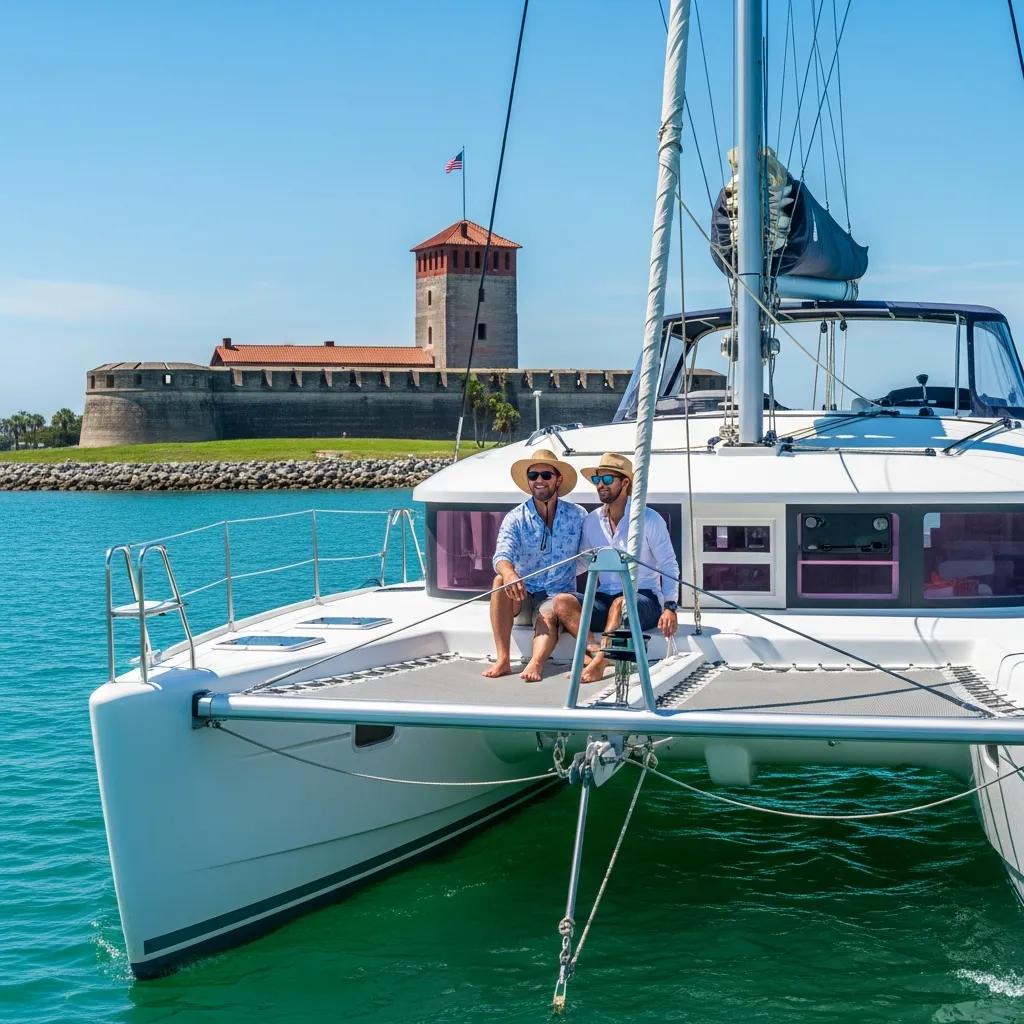
Your Complete Guide to an Unforgettable Catamaran Rental in St. Augustine

A catamaran rental or guided catamaran tour in St. Augustine is a hands-on way to see the city’s history, wildlife, and coastal scenery from the water. This guide walks you through what to expect on a drive-your-own two-seater catamaran or a guided small-boat outing, why these formats create great photo and wildlife moments, and how to plan for a safe, enjoyable trip. If you want practical, step-by-step details—check-in, who drives, what the guide does, and what to bring—this article lays it out clearly. You’ll find itinerary-style expectations, booking and safety steps, landmark-viewing tips, wildlife-spotting advice, packing recommendations, and a short comparison of two-seater rentals versus larger passenger cruises. We use local context for sights like Castillo de San Marcos and the St. Augustine Lighthouse and give actionable tips so you can pick the best option for your group. Read on to build a confident, well-prepared catamaran outing that maximizes wildlife viewing and photo opportunities while keeping safety and comfort first.
What to Expect on a St. Augustine Catamaran Tour
A St. Augustine catamaran tour is a simple, staged experience: check-in at the marina, a short safety briefing, a guided route past historic and natural highlights, then a calm return to the dock. The common drive-your-own two-seater format combines a brief operating orientation with a local captain who offers route guidance and wildlife spotting support. Expect relaxed harbor cruising speeds, timed photo stops near landmarks, and close oversight from guides to keep the outing safe and personal. The quick specs table below helps you compare typical options at a glance.
Quick tour overview:
| Offer | Typical Duration | Guide Involvement | Launch Point |
|---|---|---|---|
| Two-seater catamaran tour | 60–90 minutes | Guided route with driver oversight | English Landing Marina |
| Pontoon rental (self-guided) | 2–4 hours | Optional guide available | English Landing Marina |
| Nights of Lights boat tour | 60–75 minutes | Captain-led narration | English Landing Marina |
This table shows common choices for St. Augustine water adventures and how guide presence and duration differ by vessel and event. Use it to match your time, photo goals, and how much hands-on control you want.
How Driving a Two-Seater Catamaran Works
Driving a two-seater catamaran on a guided outing begins at the marina with check-in and a concise safety briefing covering throttle and steering basics, docking techniques, and life jacket use. After the briefing, the guide will demonstrate the controls and run a short supervised systems check while you practice basic maneuvers in calm conditions before you head out on the planned route.
During the tour, the local captain stays nearby to offer navigational waypoints, alert you to wildlife, and provide oversight so drivers feel comfortable and safe. This step-by-step approach calms first-time drivers and gives you autonomy with the reassurance of an experienced local handling route planning and safety.
Historic Sites and Wildlife You’re Likely to See
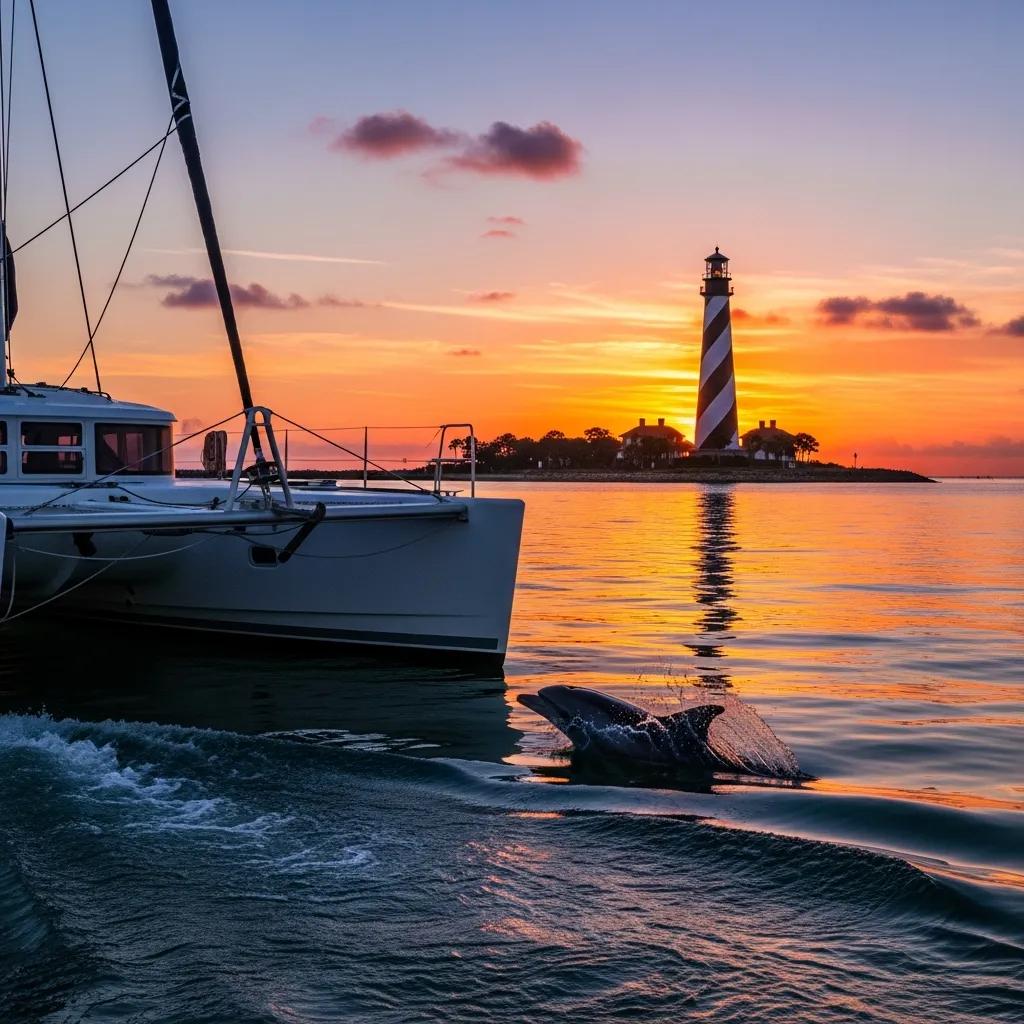
From the water you’ll often see Castillo de San Marcos, the St. Augustine Lighthouse silhouette, and stretches of waterfront architecture that look very different from land. Common wildlife sightings include bottlenose dolphins and, occasionally, manatees; coastal birds and visible fish activity add to photo moments. Guides position the vessel for respectful observation—close enough for great views but far enough to protect wildlife. This mix of cultural and natural highlights makes a harbor cruise both visually rewarding and educational for visitors who want layered experiences.
Once you know the typical flow and likely sightings, many visitors compare booking options and prepare practical details before arriving at the marina.
If you prefer a trusted local operator for drive-your-own catamarans or guided pontoon outings, Bluewater Adventure offers St. Augustine Catamaran Tours (drive-your-own two-seater catamarans), St. Augustine Pontoon Rentals, and Nights of Lights Boat Tours. Bluewater Adventure is family-owned and pairs hands-on rentals with local captains who provide route guidance, wildlife spotting, and historical context. Whether you want self-guided control or narrated tours, these options let you choose the level of autonomy while relying on local expertise. This overview is meant to inform visitors about available water adventures and encourage booking through a dependable local operator.
St. Augustine Waterways: Navigational, Historical, and Environmental Guide
St. Augustine, the oldest city in North America, sits at Mile 778 of the Atlantic Intracoastal Waterway, which runs 1,095 miles from Norfolk, Virginia, to Miami, Florida. This guide helps recreational boaters appreciate the area’s natural and cultural resources, listing marinas, waterfront restaurants, boat ramps, representative fish and wildlife, and the distribution of salt marshes, estuaries, and beaches. It also offers general suggestions for safe navigation and anchoring in waters affected by tidal currents near St. Augustine Inlet. Do not rely on this guide for precise navigation—always use current nautical charts.
Navigational, Historical and Environmental Perspective of St. Augustine Waterways: SGEB-59/SG066, 4/2005, FS Grant, 2005
How to Book and Prepare for Your Catamaran Rental in St. Augustine
Booking a St. Augustine catamaran rental is straightforward: pick your vessel and time, confirm the reservation and paperwork, then arrive early for check-in and the safety briefing. Most providers require an advance reservation to secure a two-seater or pontoon; confirmations usually include waivers and meeting details for the marina. Practical prep means bringing government ID, comfortable clothes, sun protection, and any documents called out in your confirmation.
Offer comparison overview:
| Vessel Type | Duration | Capacity | Best Use-Case |
|---|---|---|---|
| Two-seater catamaran | 60–90 minutes | 2 people | Hands-on outings for couples or pairs—great for photos and wildlife |
| Pontoon rental | 2–4 hours | 4–10 people | Family trips, picnics, or longer scenic cruises |
| Nights of Lights boat tour | 60–75 minutes | Small groups | Evening seasonal viewing of holiday lights from the water |
This comparison helps match your trip goals to the right vessel by showing duration, capacity, and common uses. Picking the right craft upfront makes packing and insurance expectations easier.
Before you arrive, follow these simple booking steps:
- Choose your vessel and date based on group size and the time of day you want.
- Call or email the operator to confirm availability and any special requests.
- Complete any digital waivers or paperwork sent after booking and note the marina meeting spot.
Following these steps smooths arrival and lets the operator prepare the vessel and any guide materials for your group. Arrive a little early and check-in becomes quick, so you move into orientation without delay.
Pricing and How Booking Works
Prices depend on vessel type and event: two-seater catamaran tours are priced for short experience-focused outings, while pontoon rentals and Nights of Lights events follow different pricing based on duration and group size. Booking usually requires a deposit and a completed waiver; your confirmation will include meeting details and cancellation or rescheduling terms. Payment methods and deposit rules are shared at booking so you can plan for any advance charges or remaining balance. The short price table below sets expectations for budgeting.
| Offer | Price Range (Typical) | Deposit/Policy | What’s Included |
|---|---|---|---|
| Two-seater catamaran tour | Varies by operator, typically around $65-$85 per person | Deposit required at booking | Vessel, guide oversight, life jackets |
| Pontoon rental | Varies by duration, typically $150-$300 depending on rental length | Deposit required at booking | Vessel, fuel estimate, safety equipment |
| Nights of Lights tour | Varies seasonally, typically $40-$60 per person | Deposit or full payment | Guided narration, lighting route |
Use this table for quick budgeting and to see what each price commonly covers. Always confirm final pricing and deposit policies when you book. Operators provide contact details at reservation time if you need help reserving or asking questions.
Safety Requirements and Boater Rules

Safety requirements for rental craft in Florida depend on age, training, and compliance with life-jacket and equipment rules. Operators enforce onboard procedures to reduce risk. Many short supervised rentals do not require a formal boating license, though boater safety certificate rules can vary by age and rental type. Regardless of licensing, the operator’s safety briefing covers emergency steps, basic navigation, and local hazards specific to St. Augustine harbor. If you’re unsure about state rules or whether a certificate is required, ask the booking agent when you reserve.
Operators emphasize these core onboard safety practices:
- Wear or have access to properly fitted life jackets at all times.
- Follow guide instructions about distances to wildlife and navigation channels.
- Avoid alcohol or other impairing substances while responsible for operating the vessel.
Following these simple practices and checking age or documentation rules with the operator before arrival reduces friction at check-in and helps ensure a safer, more relaxed outing.
Which Iconic St. Augustine Landmarks Can You See from a Catamaran?
A catamaran route gives unique water-level views of St. Augustine’s historic sites. From the harbor you get strong photo angles on Castillo de San Marcos masonry, the St. Augustine Lighthouse profile, and layered waterfront neighborhoods that reveal architectural details you can’t see from land. Guides plan approaches and viewing angles to maximize photos while keeping boats outside restricted or protected zones. Seeing the city from the water creates a memorable contrast between old stone fortifications and the nearby coastal landscape.
Viewing Castillo de San Marcos and the St. Augustine Lighthouse from the Water
To view Castillo de San Marcos, guides approach from the harbor side at a respectful distance to highlight the fort’s bastions and tidal setting—morning and late-afternoon light often bring out textures for photos. Guides usually position the vessel to offer wide panoramas while staying in permitted viewing corridors and offering historical context. For the lighthouse, golden hour often gives the best contrast and shadow definition. Always follow guide directions about where to navigate and where to avoid lingering to protect historic sites.
Best Times for Scenic Views
Pick the time of day based on your priorities: early morning usually means calmer water and more wildlife activity; late afternoon and sunset give warm, directional light that flatters architecture and coastal textures. Midday offers bright visibility but harsher light and more heat—plan sun protection accordingly. Seasons affect wildlife and light angle, so if dolphins or soft light are your goal, aim for mornings in the shoulder seasons or golden hour departures. Matching your time-of-day choice with your goals reliably improves photos and wildlife odds.
How to Spot Dolphins, Manatees, and Other Marine Life
Spotting marine wildlife on a St. Augustine catamaran tour blends timing, local knowledge, and calm observation; guides increase sighting chances through experience and chosen routes. Dolphins often surface in predictable feeding areas and may bow-ride near moving boats; manatees prefer calmer estuary channels and shallow grass flats on warmer days. Guides look for surface cues—blows, ripples, diving arcs—and will tell passengers how to move and when to photograph to avoid startling animals. Following the guide’s cues and keeping a low profile onboard improves both the chance of sightings and the quality of the encounters.
Wildlife-spotting best practices:
- Stay low and avoid sudden movements when animals appear.
- Keep noise down and do not rev engines near observed animals.
- Follow guide directions to maintain legal and ethical viewing distances.
These behaviors reduce disturbance and make sightings more meaningful and respectful for everyone.
Best Practices for Wildlife Viewing Spectacles
The aim is to observe animals without disturbing them. That means learning animal behavior and choosing appropriate locations and times. For marine wildlife, this often means watching from a boat at a safe distance or from designated shore viewpoints. Minimizing human impact while maximizing observation opportunities protects animals and improves the viewing experience.
Wildlife Viewing Spectacles: Best Practices from Elephant Seal (Mirounga sp.) Colonies., BJ Le Boeuf, 2013
Responsible Wildlife Viewing: Key Guidelines
Responsible viewing puts distance, patience, and animal welfare first—photos come second. Always follow the local captain’s instructions about approach distance and avoid cutting off escape routes or surrounding animals, which can stress wildlife. Use binoculars or moderate zoom lenses to avoid getting too close, and never feed, touch, or chase marine mammals. This respectful approach protects the ecosystem and helps ensure sightings remain possible for future visitors.
When Are Dolphin and Manatee Sightings Most Likely?
Dolphin sightings often rise in spring and fall when prey movements bring them nearshore; manatees are more common in warmer months or in sheltered estuaries, and they may concentrate in warm-water areas during cold spells. Mornings usually show higher activity—calmer water makes feeding behavior easier to spot. Wildlife is never guaranteed, but booking during favorable months and going with experienced local guides improves your chances within realistic expectations.
What Makes Bluewater Adventure’s Catamaran Tours Stand Out?
Bluewater Adventure stands out with its drive-your-own two-seater model, local captain support, and a family-owned approach focused on personalized service. The drive-your-own format gives small groups and couples direct control while a local guide provides safety, navigation, and wildlife-spotting help. Being family-run lets the team offer local insight and flexibility larger operators often can’t match, creating a more intimate, tailored outing. The blend of hands-on autonomy and professional oversight makes this a great alternative to large commercial cruises when you want an active, personal adventure.
Why Choose a Drive-Your-Own Catamaran over Larger Group Tours?
Driving your own two-seater catamaran gives you control over pace, photo stops, and privacy—perfect for celebrations, couples, or small groups. Unlike larger tours with set routes and schedules, a two-seater lets you linger on a landmark or wildlife sight while still having a guide nearby for safety and navigation. Safety concerns are handled with short supervised training and continuous guide oversight, so the hands-on format feels secure even for first-timers. For intimate moments and memorable photo sessions, drive-your-own rentals often fit better than conventional passenger cruises.
How Local Guides Improve Your Trip
Local guides add navigational know-how, wildlife-spotting skill, and local stories that connect what you see from the water to St. Augustine’s history. Guides point out subtle wildlife signs, suggest ideal photo angles, and share short historical anecdotes that enrich the outing. Their local knowledge also helps avoid hazards and keeps boats in legal viewing corridors to protect wildlife and historic properties. That extra layer of support transforms a hands-on rental into a richer recreational and educational experience.
What to Pack and Wear for a Comfortable, Safe Catamaran Rental
What you pack affects comfort, safety, and photo success. Start with light layers, sun protection, and secure non-slip footwear. Bring water, waterproof storage for phones and cameras, a hat, and reef-safe sunscreen. Motion-sickness remedies, a lightweight windbreaker for cooler evenings, and a small dry bag for valuables help across conditions. The table below links essential items to why they matter so you can pack with purpose.
Packing essentials table:
| Item | Attribute | Why it matters |
|---|---|---|
| Sunscreen & hat | Sun protection | Prevents sunburn and reduces glare during open-water exposure |
| Waterproof phone case | Protection | Keeps devices dry for photos and emergency contact |
| Reusable water bottle | Hydration | Keeps you hydrated in sun and salt air |
| Non-slip shoes | Footwear | Provides safe footing when boarding and moving on small craft |
| Light jacket | Layering | Useful for cool mornings or sunset departures |
This checklist helps you prioritize items that improve safety, comfort, and photo readiness. Pack in a small sealable bag so essentials stay reachable and dry.
Essentials to Bring on Your Catamaran Tour
Bring identification, sun protection, water, dry storage for electronics, and any personal medications like motion-sickness remedies. ID and your booking confirmation speed check-in at the marina. For photos and wildlife viewing, bring a water-resistant camera or phone in a protective case and a small pair of binoculars. Leave non-essential valuables ashore when possible and consider a modest gratuity for a guide who makes your trip better.
Recommended Attire by Weather and Time
Dress for the time of day and season: light, breathable fabrics with UV protection for midday, light layers and a windbreaker for cool mornings, and a warm outer layer for sunsets. Non-slip, closed-toe shoes or secure sandals cut the risk of slipping when boarding or walking on wet surfaces. Hats with chin straps help on windy days. If rain is possible, bring a compact waterproof shell; for longer pontoon rentals, pack a change of clothes in a dry bag. Layering and sun-safe fabrics keep you comfortable across typical St. Augustine conditions.
For final planning and booking answers, the operator’s contact information and marina location are the next steps.
Bluewater Adventure books St. Augustine Catamaran Tours, St. Augustine Pontoon Rentals, and Nights of Lights Boat Tours through their reservation team. For booking questions or to confirm arrival procedures at English Landing Marina, customers can call 904-460-4004 or email [email protected]. The company operates from English Landing Marina at 509 South Ponce De Leon Blvd, St. Augustine, FL 32084, where check-in, safety briefings, and departures take place. Contacting the operator before your desired date helps secure the vessel you want, confirm deposit and policy details, and clarify meeting logistics.
Ready to reserve a hands-on catamaran or discuss group and event options? A quick call or email will confirm availability and booking steps. The reservation can verify vessel suitability for your group size, suggest the best time for wildlife sightings, and ensure you arrive with the right documents. Booking early is recommended for popular times and seasonal events like the Nights of Lights.
Bluewater Adventure’s local captains and family-owned approach make their drive-your-own catamaran and small-group offerings a solid choice for visitors who want hands-on experiences backed by local knowledge and safety oversight. If you have questions about dates, group needs, or the best vessel for your photo and wildlife goals, call 904-460-4004 or email [email protected] to confirm details before you arrive. English Landing Marina, 509 South Ponce De Leon Blvd, St. Augustine, FL 32084, is the meeting and departure point for these experiences.
Frequently Asked Questions
What is the best time of year for a catamaran rental in St. Augustine?
The most comfortable months for a catamaran rental are typically spring through fall. During these seasons the weather is milder and wildlife activity—like dolphins and manatees—tends to increase. Early mornings and late afternoons are especially good for wildlife viewing and photography because the water is calmer and the light is softer. Planning around local events can add extra fun—check the calendar for festivals or special dates.
Are there any age restrictions for driving a catamaran?
Age requirements vary by operator. Most companies require drivers to be at least 18 years old; younger people may be allowed to operate a vessel if an adult accompanies them. Always confirm the rental provider’s policies about age, identification, and any parental consent forms before you book.
What should you do if you encounter rough weather during your tour?
If conditions worsen, follow the guidance of your local captain or guide—safety is their top priority. Tours may be adjusted or canceled if the weather becomes unsafe. Dress for changing conditions and be ready to reschedule if necessary. Check your booking terms for the operator’s weather-related cancellation and refund policies.
Can you bring food and drinks on the catamaran?
Most operators allow guests to bring snacks and non-alcoholic drinks, but check with your provider first. If food is allowed, choose lightweight, low-mess items and reusable containers to minimize waste. Be aware of any rules around alcohol consumption on the water—some operators restrict it for safety reasons.
What happens if you need to cancel or reschedule your booking?
Cancellation and rescheduling rules differ by operator, so review the terms you receive at booking. Many require notice 24–48 hours before the scheduled time for refunds or credits. If you need to change plans, contact the operator as soon as possible to discuss options—some will offer full refunds, while others may issue credits or charge a fee depending on their policy.
Is there a weight limit for passengers on the catamaran?
Yes—catamarans and other rental vessels often have weight limits that vary by type and operator to ensure safe operation. Check with your rental provider for specific weight and capacity guidelines. If you need to accommodate larger groups or have concerns about limits, discuss them when you make your reservation so the operator can recommend the best vessel.
Conclusion
A catamaran rental in St. Augustine blends hands-on fun, wildlife viewing, and historical scenery into a memorable outing. With options for guided tours or self-driven adventures, you can tailor the trip to your group and goals. Choosing a local, family-run operator like Bluewater Adventure gives you expert guidance and personalized service to make the day smoother and more rewarding. Ready to plan your catamaran experience? Reach out to the team to check availability and book your trip.